Concrete Resurfacing in Atlanta & Kennesaw, GA
Your Concrete Isn't Ruined. It Just Needs a New Face.
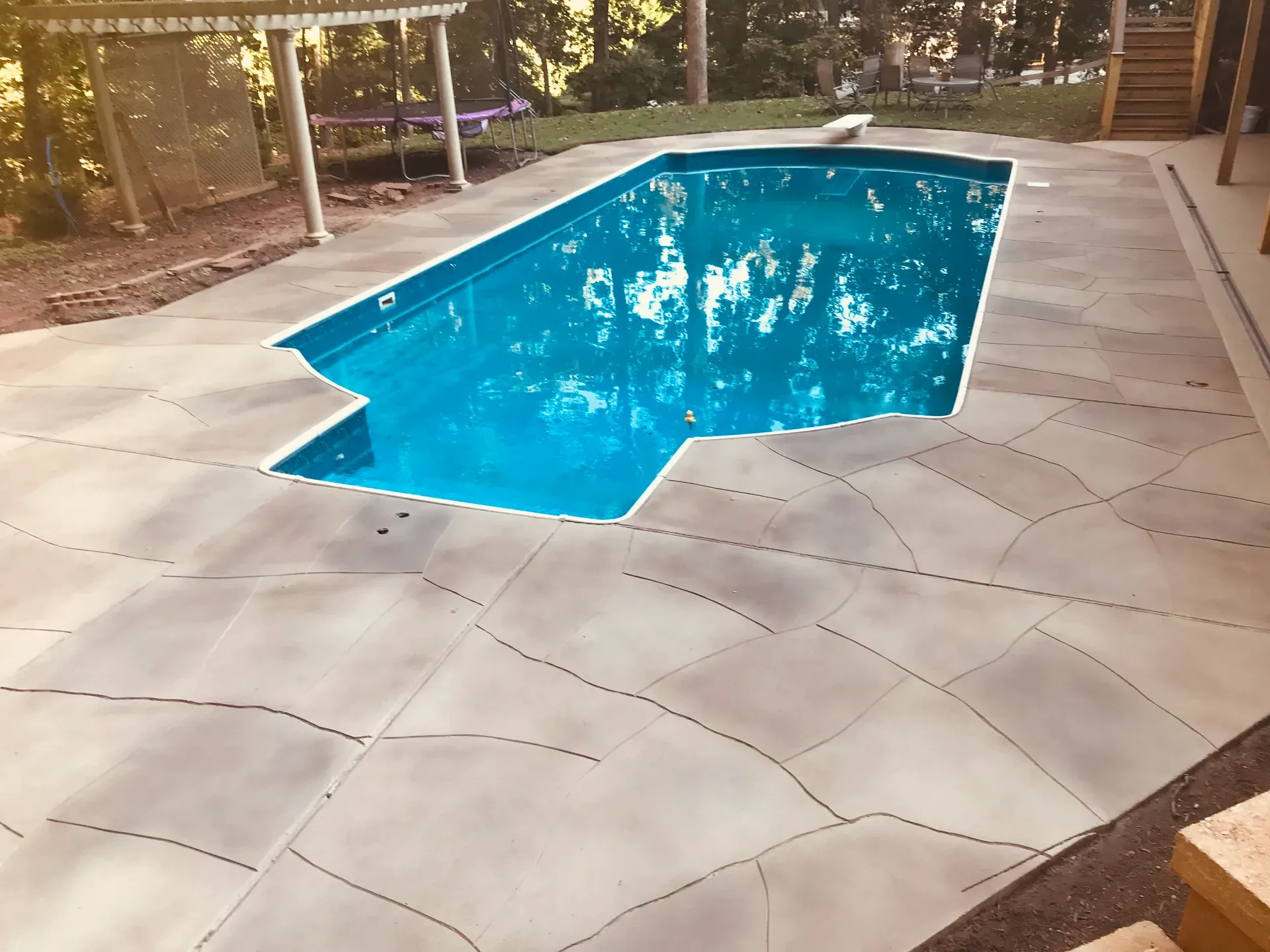
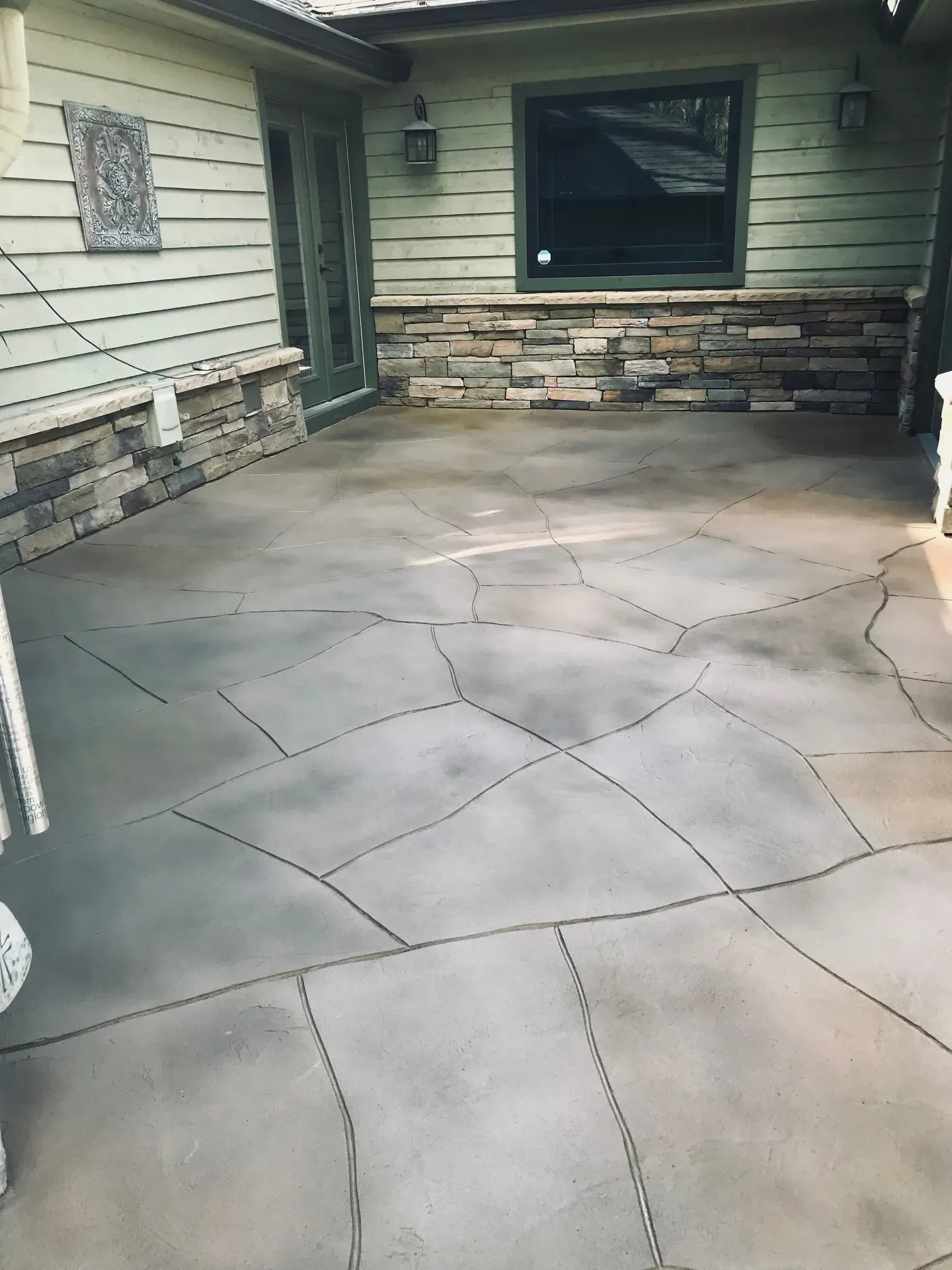
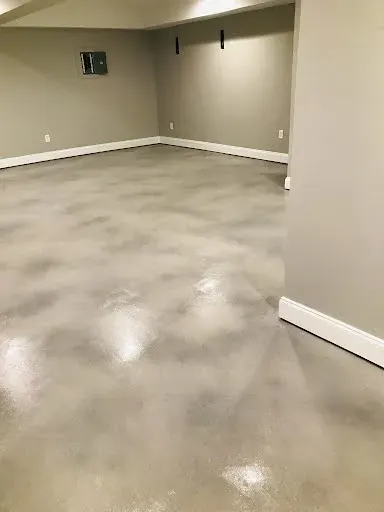
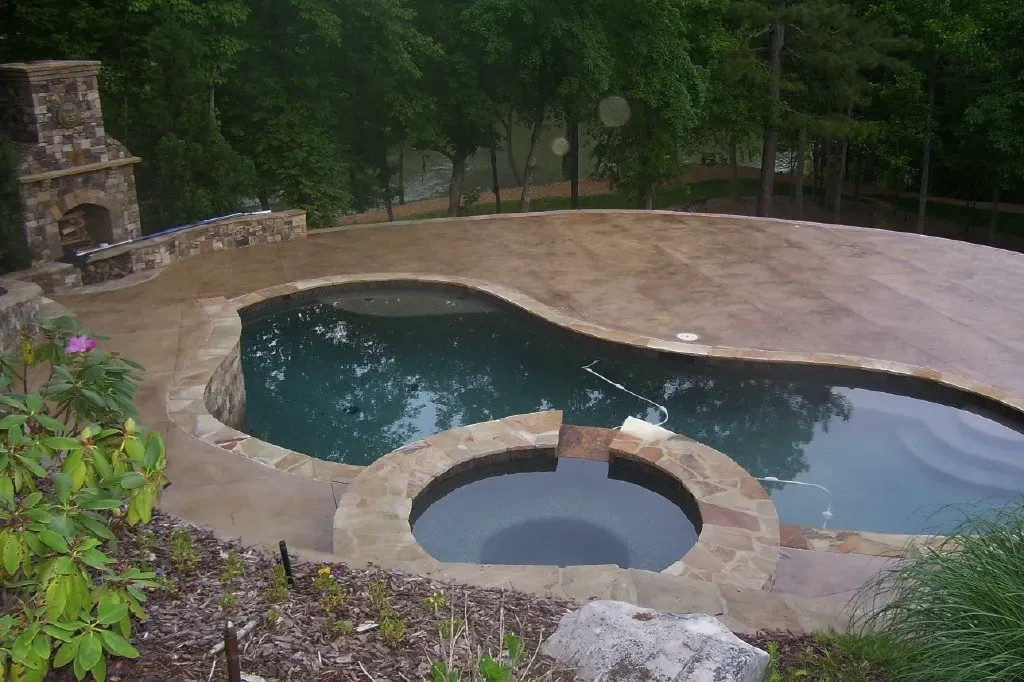
Cracked, pitted, stained, or just plain tired — most concrete we see doesn't need to be torn out and replaced. It needs resurfacing. We repair the damage, then apply a thin cement overlay or micro-topping that bonds permanently to your existing slab and becomes a fresh canvas. From there it can be stained, textured, or finished to look like stone, slate, tile, marble, or leather.
JP Concrete Creations has resurfaced patios, pool decks, driveways, walkways, and interior floors across Kennesaw and metro Atlanta for 20+ years. Trying to decide between fixing and replacing? Read our honest guide to resurfacing vs. replacement — including when we'd tell you resurfacing is the wrong call. Resurfacing is one of three services we offer on existing slabs; see how it fits alongside the others in our decorative concrete overview.
Why Resurface Instead of Replace
A Fraction of the Cost
No demolition, no hauling, no new pour. Resurfacing reuses the solid slab you already have, so you get a new-looking surface for far less than replacement.
Days, Not Weeks
A typical resurfacing project wraps up in days. Replacement means weeks of demolition, forming, pouring, and curing before you can even walk on it.
Any Look You Want
A resurfaced slab is a blank canvas. James pairs overlays with custom stains and textures, including stamped finishes, to match your home.
What Resurfacing Fixes — and What It Doesn't
Resurfacing is a surface solution. That is a real distinction, not a technicality, and it decides whether your project takes three days or needs a different answer entirely. Here is how we sort it at the estimate.
Good Candidates for Resurfacing
- Surface cracks and crazing. Fine, shallow cracking across the top of the slab.
- Spalling and pitting. Flaking or pockmarked concrete where the top layer has broken down.
- Stains and discoloration. Rust, oil shadows, sun-faded patches, and old sealer that has yellowed.
- Dated finishes. A slab that is structurally fine but plain, gray, or simply out of step with the house.
- Worn broom finishes. Common on driveways and walkways after a decade of Georgia weather.
When We'll Tell You No
- Active movement. Sections heaving or settling against each other mean the ground underneath is the problem, and no overlay survives a slab that is still moving.
- Deep structural cracks. Wide cracks running the full depth, especially with a height difference across them.
- Drainage failures. Water pooling or undermining the slab has to be solved before any surface work makes sense.
- Crumbling throughout. Concrete that breaks apart under a hammer tap has nothing left to bond to.
In practice, the great majority of the concrete we look at is a good candidate — the slab is sound and only the surface has aged. But we would rather lose the project than sell you an overlay that fails in two years, so if yours falls in the right-hand column you will hear that at the estimate, for free, before you have spent anything.
What Concrete Resurfacing Costs in Metro Atlanta
Resurfacing generally lands well under the cost of tearing out and replacing the same square footage, because you are paying for surface work rather than demolition, disposal, and fresh concrete. That gap is the entire reason the approach exists. How far under depends on your slab.
What moves the number:
- Prep. The condition of the existing surface is usually the biggest single factor. Grinding off an old coating and patching spalled areas both add time before the overlay starts.
- Square footage. Larger areas cost less per foot; mobilizing for a small porch costs nearly what a bigger one does.
- Finish. A smooth micro-topping in one color is a different job from a textured, multi-color, hand-detailed surface.
- Access. A backyard pool deck reached through a narrow gate takes longer to stage than an open driveway.
Call us and we can usually give you a number over the phone. If the slab needs a closer look before anyone commits to a figure, we will set a time. Either way the estimate is free and you get a firm number before any work is scheduled.
Georgia Weather Is Part of the Equation
Metro Atlanta concrete takes a specific kind of beating: long humid summers, hard UV on unshaded driveways, and a winter that cycles above and below freezing repeatedly rather than staying frozen. That freeze-thaw cycling is what drives spalling on surfaces that were never sealed.
It is also why prep and sealer matter more here than the decorative work does. A properly bonded, properly sealed overlay handles it; a rushed one does not. Outdoors, resealing every two to three years is a short service visit, and it is the single thing that most extends the life of the finish. Interior floors are different: we set those up with a system you can refresh yourself.
Call 770-590-8955Our Resurfacing Process
- Free estimate and honest assessment. Call us to set up a visit. If your slab is one of the rare ones that can't be saved, we'll tell you up front.
- Prep. Power-washing and grinding create a sound, clean base the overlay can bond to.
- Overlay or micro-topping. We apply the new cement surface, smooth or textured or stamped, matched to how the space is used.
- Color and seal. Custom stain and a protective sealer finish the surface so it stays beautiful for years.
Resurfacing Gallery
Concrete Resurfacing FAQs
What is concrete resurfacing?
Concrete resurfacing applies a new, thin cement-based layer over your existing slab. We grind and clean the slab first, then apply an overlay or micro-topping that bonds permanently to the old concrete. The result looks and performs like a brand-new surface, and it can be stained, textured, or stamped in almost any style — all without a tear-out.
Is resurfacing cheaper than replacing concrete?
Almost always, yes. Replacement means demolition, hauling, new forms, a new pour, and weeks of curing. Resurfacing skips all of that by reusing the solid slab you already have, so most projects cost a fraction of replacement and finish in days instead of weeks.
Can badly cracked or worn concrete be resurfaced?
Usually. Surface cracks, spalling, discoloration, and worn finishes are exactly what resurfacing is made for. If a slab has deep structural problems, like large sections heaving or sinking, we will tell you honestly up front. Very few surfaces are beyond saving.
Can you put a layer of concrete over old concrete?
Yes, and that is exactly what resurfacing is. A cement-based overlay or a thinner skim coat, sometimes called a micro-topping, is applied directly over the old slab after prep. It is not a loose second slab sitting on top: the surface is cleaned, ground, and repaired first so the new layer bonds chemically to the concrete underneath and behaves as one surface.
What are the disadvantages of concrete overlay?
An overlay is a surface solution, so it cannot correct what is happening below the surface. If sections of your slab are heaving or settling, cracks run the full depth, or drainage is undermining the concrete, an overlay will fail and the underlying problem has to be solved first. Outdoor overlays also need resealing every two to three years to keep looking their best, and a rushed prep job is the most common reason one does not last. Where the slab is sound and only the surface has aged, none of that applies.
How much does it cost to have concrete resurfaced?
Resurfacing generally lands well under the cost of tearing out and replacing the same square footage, because you are paying for surface work instead of demolition, disposal, and new concrete. The number depends on prep, square footage, the finish you choose, and how easy the area is to reach. Call us and we can usually give you a figure over the phone, and the estimate is free either way.
How long does resurfaced concrete last?
With proper prep and a quality sealer, a resurfaced slab lasts many years — often as long as the original concrete. We use superior products proven over our 20+ years in the field, and we walk you through the simple maintenance for your surface. Outdoor slabs get resealed every two to three years; interior floors are finished with a system you can refresh yourself.
Explore Our Other Concrete Services
Stop living with worn-out concrete
Call today for a free estimate from a family-owned team with 20+ years of experience across Kennesaw, Marietta, Acworth, Woodstock, Canton, Powder Springs, Dallas, Hiram, and metro Atlanta.
Call 770-590-8955