


Frequently Asked Questions
Concrete staining is a process where a color is applied to the surface of a concrete slab to enhance its appearance. This can be done through acid staining, water-based staining, or concrete painting.
Acid staining is a type of concrete staining that creates a unique and variegated finish by reacting with the minerals in the concrete. This process creates a translucent finish that adds depth and character to the concrete surface.
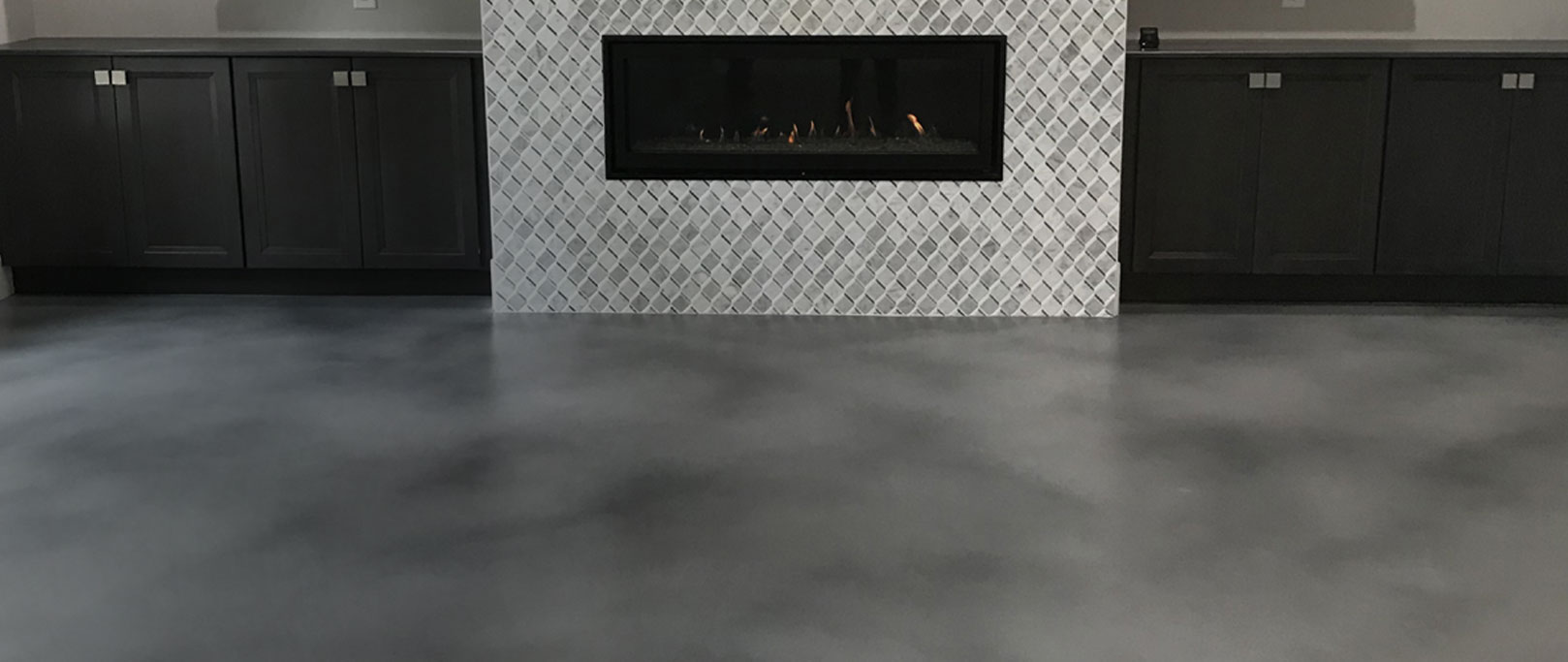
Yes, basement concrete staining is a popular option for homeowners who want to add color and interest to their basement floors. It’s a great way to transform a dull, gray concrete floor into a beautiful and functional space.
Concrete resurfacing is a process where a thin layer of concrete is applied over an existing concrete surface to improve its appearance and durability. This can be done on a variety of surfaces, including pool decks, patios, and stamped concrete.
Yes, concrete resurfacing is an excellent option for pool decks in Marietta. It can provide a slip-resistant surface that is also durable and easy to clean. Additionally, it can be customized to match the style and color scheme of your outdoor space.
Yes, pool deck concrete staining and painting are both viable options for improving the appearance of your pool deck. Both methods can be used to add color and interest to the surface, as well as to protect it from the elements.
Stamped concrete is a decorative concrete finish that mimics the look of other materials, such as stone, brick, or tile. This is achieved by using a stamping tool to imprint a pattern onto the concrete surface while it is still wet.
Yes, patio concrete staining is a great way to add color and interest to your outdoor space. It can be customized to match the style and color scheme of your patio, and can also provide additional protection against the elements.
Cement overlays have a pretty long lifespan if installed properly and maintained well. On average, they can last for around 10-15 years or more, depending on factors such as the thickness of the overlay, the quality of materials used, the level of foot traffic, and the climate conditions. It’s essential to keep in mind that regular upkeep and cleaning can also extend the lifespan of your cement overlay.
Yes, you absolutely can! In fact, one of the primary purposes of cement overlays is to provide a new surface for old concrete. As long as the existing concrete is structurally sound, free from severe cracks or damage, and thoroughly cleaned and prepared, it can serve as a solid base for the overlay. However, it’s crucial to hire an experienced professional to install the overlay to ensure proper adhesion and a smooth finish.
Yes, staining concrete is an excellent idea for adding visual appeal and durability to concrete surfaces. Stains can enhance the natural beauty of concrete and provide protection against water, UV rays, and other elements that can cause damage over time.
Staining concrete can be a moderately difficult task, especially if you’re a DIY enthusiast with no prior experience. Achieving a consistent and even finish can be challenging, and the process requires some patience and attention to detail. Hiring a professional contractor can make the process much easier and give you a high-quality finish.
Concrete resurfacing in Sandy Spring is generally the most cost-effective way to give your pool deck a facelift. By applying a thin layer of concrete overlay, you can create a brand new surface without the need to remove the old concrete. Other cost-effective options include concrete staining and painting, which can also transform the look of your pool deck without breaking the bank. If you’re located in Sandy Spring, you may want to consider searching for contractors who specialize in pool deck concrete staining in Sandy Spring.
The process of resurfacing a concrete pool deck typically involves cleaning the existing surface thoroughly, repairing any cracks or damage, and applying a thin layer of concrete overlay or other resurfacing material. The exact method will depend on the type of resurfacing product being used, but it’s essential to follow the manufacturer’s instructions carefully to ensure a successful result. If you’re not comfortable tackling the project yourself, it’s best to hire a professional who has experience with pool deck resurfacing.
The lifespan of an epoxy pool deck can vary depending on a few factors, such as the quality of the product, the level of foot traffic and exposure to the elements, and how well it’s maintained. On average, an epoxy pool deck can last anywhere from 5-10 years, but with proper care, it may last longer. Regular cleaning and avoiding harsh chemicals and abrasives can help extend the lifespan of your epoxy pool deck
If you live in a hot climate, you may be interested in a pool deck surface that stays cool underfoot. Some options include concrete with a light-colored finish, natural stone, or tiles made from materials such as porcelain or travertine. Another option is to use a special coating or additive that helps to reflect heat and keep the surface cooler. To achieve a cooler surface, you may want to consider searching for contractors who specialize in pool deck concrete staining in Sandy Spring or concrete painting Sandy Spring.
Yes, old concrete can be stained, but it’s essential to ensure that the surface is thoroughly cleaned and prepped beforehand to ensure proper adhesion of the stain.
Some of the disadvantages of stamped concrete include the potential for cracking and chipping over time, the high cost of installation, and the limited color options available.
Stamped concrete can be cheaper than traditional paving options, such as brick or natural stone, but it’s still generally more expensive than plain concrete or asphalt.
There are several options that may be better than stamped concrete, depending on your needs and preferences. For example, pavers or natural stone can offer a more authentic and long-lasting look, while concrete overlays can provide a more cost-effective alternative to stamped concrete.
Yes, pressure washing is an effective way to clean stamped concrete surfaces, but it’s important to use the appropriate pressure settings and cleaning solutions to avoid damage to the surface.
In terms of local services, if you’re looking for basement concrete staining in Sandy Spring, concrete painting in Sandy Spring, concrete resurfacing in Sandy Spring, or patio/pool deck work in the Sandy Spring area, it’s always a good idea to research local contractors and read reviews to find a reputable professional that can provide high-quality work at a fair price.
Concrete staining is a process of adding color to concrete surfaces to enhance their appearance. It involves using acid-based or water-based concrete stains to create a variegated or solid color finish. In Buckhead, concrete staining can be done by hiring a professional contractor who specializes in concrete staining or by purchasing DIY concrete staining kits.
Acid stain is made from a combination of acid and metallic salts, which react with the calcium in the concrete to create a unique, variegated finish. Water-based stain, on the other hand, is typically made from acrylic or latex and can be tinted to a wide range of colors. Acid stain is more durable and long-lasting, while water-based stain is easier to apply and maintain.
Concrete resurfacing is a process of restoring worn or damaged concrete surfaces by applying a new layer of concrete on top of the existing surface. In Buckhead, concrete resurfacing can be done by hiring a professional contractor who specializes in concrete resurfacing or by purchasing DIY concrete resurfacing kits.
Stamped concrete is a decorative concrete option that involves imprinting a pattern or texture onto the concrete surface to create a unique design. In Buckhead, stamped concrete can be done by hiring a professional contractor who specializes in stamped concrete or by purchasing DIY stamped concrete kits.
It is important to examine the basement for water problems since these areas are vulnerable to drainage problems, foundation fractures, and severe rains, all of which can result in moisture leaking into the basement or rising through the slab. Next, using duct tape to secure a piece of plastic to the floor, test the concrete humidity by leaving it there for at least 48 hours.If there is condensation under the plastic, go with a concrete cure and seal that enables water vapour to travel through the coating rather than a non-breathable sealer. Analysing your concrete is a crucial first step in getting ready to stain your basement floor. Pre-treating the surface with a chemical or mechanical profiling agent might improve the staining process because smooth surfaces can be challenging to stain.
When it comes to coloring concrete, the main difference between acid-based stains and paint lies in the way they interact with the material. Acid-based stains are known for their ability to penetrate the concrete and react with its minerals and salts to create rich, deep, and transparent tones. While these colors are highly durable and long-lasting, they may appear differently based on the unique characteristics of each concrete surface.
On the other hand, concrete paint works by filling in the surface pores of the concrete, resulting in a consistent and opaque color. Unlike acid-based stains, it is non-reactive and behaves more like a water-based concrete stain. However, it’s worth noting that paint can still peel and chip over time.
Concrete staining is a method of coloring concrete surfaces to achieve a desired look. It’s a great option for those looking to update their Canton home or business because it’s cost-effective, long-lasting, and offers a wide variety of color options. Whether you’re looking to add some color to your basement, pool deck, or patio, concrete staining is a great choice.
The main difference between concrete staining and painting is how the color is applied to the concrete. Staining involves a chemical reaction between the stain and the concrete, resulting in a more natural, translucent look. Painting, on the other hand, covers the surface with a uniform layer of paint. Both options are available in Canton, and the choice depends on your preferences and the surface you’re working with.
Acid staining is a specific type of concrete staining that uses acid to create unique, variegated colors on the surface of the concrete. This method creates a rich, earthy look that can’t be replicated by any other coloring technique. Acid staining is a popular choice for those looking to add a touch of sophistication to their Canton home or business.
Concrete resurfacing is the process of adding a new layer of concrete on top of an existing surface. This technique is ideal for those looking to update the look of their Canton home or business without the need for a complete overhaul. It’s a cost-effective way to repair and rejuvenate concrete surfaces, such as pool decks, patios, and driveways.
Stamped concrete is a method of creating a textured or patterned surface on concrete using stamps or molds. This technique is popular in Canton for creating unique and visually appealing surfaces, such as pool decks, patios, and driveways. Stamped concrete is a great choice for those looking to add a touch of personality and style to their outdoor spaces.
Yes, concrete staining is a great choice for basement floors in Canton. It’s a cost-effective way to update the look of your basement while also protecting the concrete from wear and tear. Additionally, stained concrete is easy to maintain and clean, making it a practical choice for high-traffic areas like basements.
Yes, concrete staining is a popular choice for pool decks and patios in Canton. It offers a wide variety of color options, and the stain penetrates the concrete surface to create a long-lasting finish. Additionally, stained concrete is slip-resistant, making it a safe choice for pool areas.
Pool deck resurfacing is a great option for those looking to update the look of their Canton pool area. It can repair cracks and damage, create a non-slip surface, and add a decorative finish. Additionally, resurfacing can extend the life of your pool deck, saving you money in the long run.
Yes, staining concrete is a great idea as it adds a unique and stylish look to your floors, patios, pool decks, and other concrete surfaces. It’s also a durable and long-lasting option compared to traditional concrete painting in Douglasville.
Staining concrete is not necessarily hard, but it does require some preparation and patience. It’s important to properly clean and prep the surface before staining, and to apply the stain evenly. Hiring a professional can ensure a smooth and successful concrete staining in Douglasville.
Yes, old concrete can be stained. In fact, staining can be a great way to revive and improve the look of old, worn-out concrete surfaces.
The cost of staining concrete can vary depending on the size of the project and the type of stain used. However, it is generally more affordable compared to other flooring options, such as hardwood or tile.
Yes, resurfacing concrete can be a worthwhile investment as it can improve the look and durability of your concrete surfaces. It’s also a more cost-effective option compared to completely replacing concrete.
There are several great products available for concrete resurfacing in Douglasville, including polymer-modified overlays and micro-toppings. It’s best to consult with a professional to determine the best product for your specific needs.
One potential downside of concrete resurfacing is that it may not be able to fix underlying issues with the concrete, such as cracks or structural damage. It’s important to have the concrete properly evaluated before deciding on resurfacing.
In most cases, resurfacing a concrete driveway is a more cost-effective and practical option compared to completely replacing it. However, if the concrete is severely damaged or has underlying issues, replacement may be necessary.
Acid staining is a process where a solution of water, acid, and metallic salts is applied to a concrete surface to create a unique and natural-looking colour variation. The acid etches the surface of the concrete, allowing the metallic salts to penetrate and react with the concrete to create the desired color.
The main difference between acid stain and concrete stain is the way they interact with the concrete surface. Acid stain chemically reacts with the concrete to create a unique color variation, while concrete stain adds color to the surface through pigments.
Yes, acid stain is permanent and can last for many years with proper maintenance and care.